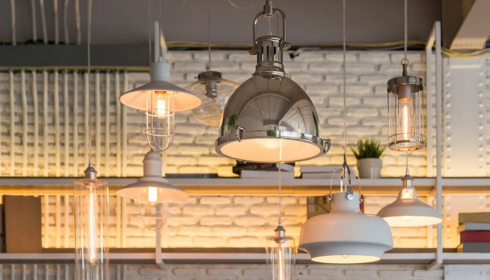
Walk into any thoughtfully designed space and you’ll notice something interesting. It’s not always the furniture or the paint colour that makes the room feel welcoming — it’s the lighting. Good lighting has a quiet kind of magic. It shapes how we experience a room, how productive we feel, and even how relaxed we become at the end of a long day.
Yet lighting is one of those details many people underestimate. They buy a fixture, screw in a bulb, and expect everything to magically work. But the truth? Lighting is a careful balance of design, safety, and technical understanding. When done right, it transforms an ordinary room into something truly comfortable and functional.
Let’s talk about what actually goes into creating good lighting in a modern home or workspace.
Why Lighting Matters More Than We Think
Lighting does more than help us see. It influences mood, productivity, and even how colours appear inside a room.
Think about it. A kitchen lit by cold, harsh lights can feel sterile. The same space with warm, layered lighting suddenly feels inviting. Offices with poor lighting often lead to eye strain and fatigue. Retail stores, on the other hand, carefully craft lighting to make products look irresistible.
It’s a quiet design tool that works in the background. And when it’s wrong, people notice immediately — even if they can’t quite explain why.
That’s why lighting should never be an afterthought. It deserves just as much attention as layout, décor, or furniture selection.
Planning Before You Install
One of the biggest mistakes homeowners make is jumping straight into the installation stage without planning the lighting layout first.
A good lighting plan considers several factors:
- The purpose of the room
- Natural light sources
- Ceiling height and structure
- Energy efficiency
- Control options for brightness and ambience
For example, a living room usually benefits from layered lighting. You might combine ceiling lights, wall sconces, and floor lamps to create flexibility throughout the day.
In contrast, a workspace needs brighter, focused illumination that reduces shadows and glare.
This planning stage is also the moment when electricians and designers decide where to install lighting fixtures so the space works naturally. Placement matters more than many people realise. A light that’s just a foot too far from its intended spot can create awkward shadows or uneven brightness.
Good lighting feels effortless — but behind the scenes, a lot of thought goes into it.
Safety and the Role of Electrical Connections
Lighting isn’t just about aesthetics. It’s also about safety.
Improper wiring, overloaded circuits, or low-quality connections can lead to serious problems over time. Flickering lights, overheating wires, and short circuits are often signs of poor installation.
That’s why professionals take extra care when dealing with electrical hook up equipment. These components ensure that power flows safely from the electrical panel to the lighting system.
Quality connectors, junction boxes, and properly rated wiring all play a role in protecting both the building and the people inside it. It might not be the most glamorous part of a lighting project, but it’s absolutely essential.
Cutting corners in this area rarely ends well.
The Rise of Smart and Adaptive Lighting
Not long ago, turning lights on and off meant flipping a switch. Simple enough. But technology has changed the way we interact with lighting.
Today, smart systems allow homeowners and businesses to adjust brightness, colour temperature, and scheduling through apps or voice assistants. You can dim the lights for a movie night, brighten them for cooking, or even program them to simulate sunrise in the morning.
These systems rely on modern lighting controls, which help manage energy usage while giving users far more flexibility.
Motion sensors, dimmers, programmable timers, and smart hubs all fall into this category. And while they may seem like small upgrades, they can dramatically improve both comfort and efficiency.
It’s one of those rare situations where convenience and sustainability actually go hand in hand.
Creating Layers of Light
Designers often talk about “layered lighting,” and it’s worth understanding what that means.
Rather than relying on a single overhead light, a well-designed space uses several types of illumination working together.
These layers usually include:
Ambient lighting – the general illumination that fills the room.
Task lighting – focused light for activities like reading, cooking, or working.
Accent lighting – decorative lighting that highlights artwork, shelves, or architectural details.
When these layers are balanced correctly, the room feels natural and comfortable. There are no dark corners or overly bright spots. Everything just… works.
And honestly, that’s the goal of good design. It shouldn’t shout for attention — it should simply make the space feel right.
Energy Efficiency and Modern Lighting
Another big shift in lighting has been the move toward energy-efficient technology.
LED lights have largely replaced traditional incandescent bulbs, and for good reason. They consume far less electricity, last significantly longer, and generate less heat.
For businesses and homeowners alike, that means lower energy bills and fewer maintenance headaches.
Pair LEDs with smart controls, and the benefits multiply. Lights can automatically dim during daylight hours or shut off when rooms are empty. Over time, those small adjustments add up to meaningful energy savings.
It’s a practical upgrade that benefits both the wallet and the environment.
Lighting Is Both Technical and Creative
At its core, lighting sits at an interesting intersection between engineering and design.
Electricians handle the technical side — wiring, safety standards, electrical capacity. Designers focus on atmosphere, placement, and visual balance. When both sides collaborate, the results can be remarkable.
The best lighting doesn’t just illuminate a room. It shapes how people feel inside that space.
A warm glow in the living room invites conversation. Bright task lighting helps someone focus during work hours. Soft accent lighting highlights the character of a home.
These subtle touches make environments feel comfortable, functional, and alive.
Final Thoughts
Lighting rarely gets the spotlight it deserves. People notice beautiful furniture, stylish paint colours, or elegant flooring — but the lighting that ties everything together often goes unappreciated.
Still, it plays a quiet but powerful role in every room we occupy.
Thoughtful planning, safe electrical work, and smart design choices can transform an ordinary environment into something far more enjoyable to live or work in. And once you experience well-designed lighting, it’s surprisingly hard to go back.