Most days, water is the last thing on your mind. You turn on the tap, fill a glass, maybe use it to make tea, and move on. It’s simple. Reliable. Almost invisible.
But every now and then, something nudges you to pause.
Maybe the taste feels slightly off. Maybe there’s a faint smell you can’t quite explain. Or maybe you just read something that made you wonder—what’s actually in this water I use every day?
That question doesn’t always come with urgency. It’s quieter than that. But once it shows up, it tends to stay.
Where Curiosity Begins
For most people, the idea of testing their water doesn’t start with a big problem. It starts with curiosity.
You notice small things. Water that looks fine but doesn’t taste quite right. Residue on utensils. Dry skin after showers that seems a bit worse than usual.
Nothing alarming. Just enough to make you think.
That’s usually when people start exploring the water testing process—not because they expect something serious, but because they want clarity.
And honestly, that’s the best reason to start.
It’s Not Just About What You Can See
One of the biggest misconceptions about water quality is that you can judge it by appearance. Clear water must be clean, right?
Not always.
Some of the most important factors in water quality are completely invisible. Dissolved minerals, trace metals, microscopic contaminants—they don’t show up in a glass. You can’t taste them, and you definitely can’t see them.
That’s where proper testing comes in. It takes the guesswork out of the equation.
Instead of relying on assumptions, you get actual information about what’s present—and what isn’t.
What Happens After You Send That Sample
If you’ve never tested your water before, the idea might feel a bit abstract. You collect a sample, send it off… and then what?
This is where laboratory analysis plays a crucial role.
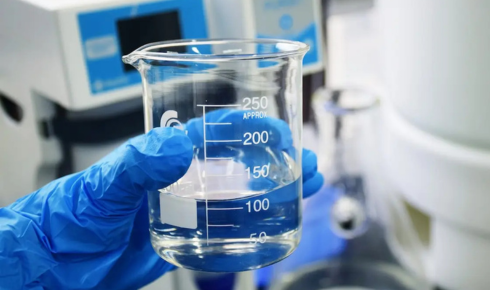
In a lab setting, water samples are examined using specialized equipment designed to detect even trace amounts of substances. It’s precise, controlled, and far more detailed than anything you could do at home.
The results can include information about pH levels, mineral content, bacteria, heavy metals, and more. It’s not just a snapshot—it’s a deeper look into what your water is made of.
And while some of the terms might sound technical at first, the goal is simple: to give you a clear picture you can actually use.
Understanding the Results Without Feeling Overwhelmed
Let’s be real—reading a water test report for the first time can feel a bit intimidating.
There are numbers, ranges, abbreviations… it’s easy to feel like you need a science degree to make sense of it all.
But you don’t.
Most reports highlight whether levels fall within safe or recommended limits. That’s the part that matters most. You’re not expected to analyze every detail—you’re just looking for patterns.
Is something higher than it should be? Is there something present that shouldn’t be there at all?
That’s enough to guide your next step.
The Role of Detection in Everyday Life
When you hear the term contaminants detection, it might sound a bit serious—and sometimes, it is.
But in most cases, it’s not about uncovering something dangerous. It’s about understanding the small details that affect your daily experience.
Maybe it’s a higher mineral content causing scaling. Maybe it’s chlorine affecting taste. Maybe it’s something you wouldn’t have noticed without testing at all.
Detection isn’t about creating worry—it’s about replacing uncertainty with knowledge.
And once you have that knowledge, you’re in a much better position to make decisions.
What You Do With That Information
Here’s the part people often overthink.
Once you know what’s in your water, what next?
The answer isn’t always complicated. Sometimes, no action is needed at all—your water might already be within safe limits. And that alone can bring peace of mind.
Other times, small adjustments can make a big difference. A basic filtration system. Addressing specific issues like hardness or chlorine. Nothing drastic.
The key is that your decisions are now based on facts, not assumptions.
Why Most People Skip This Step
If water testing is so useful, why don’t more people do it?
Simple. It doesn’t feel urgent.
Unlike a leaking pipe or a broken appliance, water quality issues are subtle. They don’t demand immediate attention. They sit in the background, easy to ignore.
Until you start paying attention.
And once you do, testing feels less like an extra step and more like a natural one.
A Small Effort That Changes Perspective
There’s something interesting that happens after you test your water.
Even if nothing major comes up, your perspective shifts. You become more aware of what you’re using every day. You start noticing details you might have overlooked before.
It’s not about becoming overly cautious—it’s about being informed.
And that awareness tends to stick with you.
The Quiet Confidence That Follows
At the end of the day, testing your water isn’t about chasing perfection. It’s about removing doubt.
It’s about turning on the tap and knowing—not guessing—that what you’re using is within a range you’re comfortable with.
No second thoughts. No quiet concerns.
Just water, doing what it’s supposed to do.
And sometimes, that’s all you really need.