Clean water is one of those things most people don’t think about until there’s a reason to worry. We turn on the faucet, fill a glass, take a shower, and get on with the day. Behind all of that, though, is a plumbing system designed to keep clean water moving in the right direction.
One important part of that system is backflow prevention. It may not be the most exciting topic in home maintenance, but it plays a serious role in protecting water quality. Understanding how backflow works, why testing matters, and what happens when a device needs attention can help homeowners and property managers make smarter decisions.
What Is Backflow?
Normally, water moves from the supply system toward your home’s fixtures. Backflow occurs when pressure changes cause water to move in the opposite direction.
That matters because water traveling backward can potentially carry contaminants into a clean water supply. Those contaminants might come from irrigation systems, pools, boilers, chemicals, or other connected plumbing equipment.
Backflow doesn’t happen every day in most homes, and there are systems designed to prevent it. Still, the possibility is serious enough that certain properties and plumbing arrangements require protective devices.
Why Backflow Prevention Matters
Imagine a garden hose sitting in a bucket of dirty water. Under unusual pressure conditions, water from that bucket could potentially be pulled backward into the plumbing system.
That’s the basic concern backflow prevention addresses.
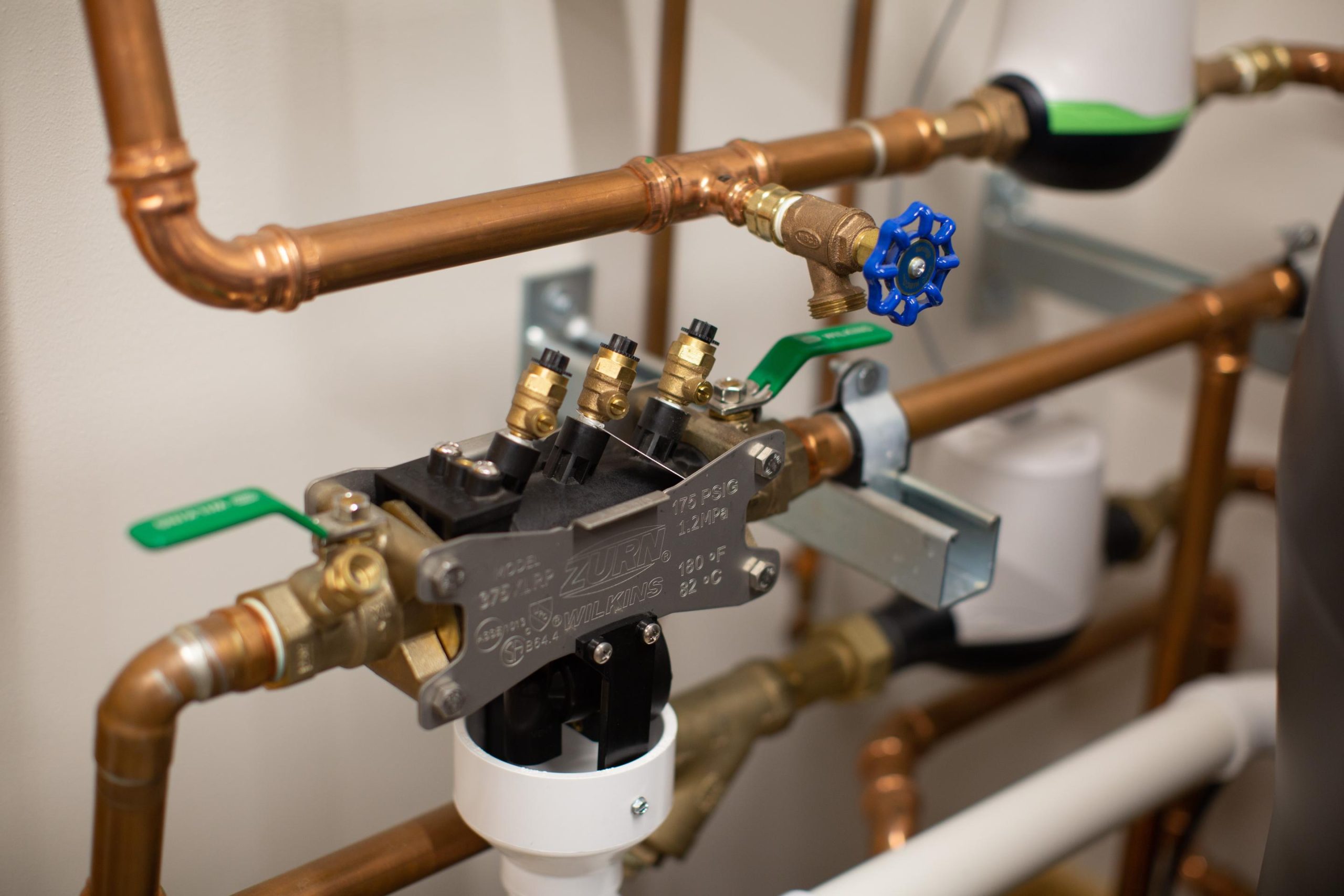
A properly installed prevention assembly creates a barrier between potable water and potential sources of contamination. Different systems may use different types of devices depending on the property’s plumbing arrangement and local requirements.
It’s not something most homeowners need to monitor constantly, but it is something worth taking seriously when a device is installed on the property.
What Happens During Backflow Testing?
Professional backflow testing is designed to determine whether the prevention device is operating as intended.
A qualified tester checks the device and its components under controlled conditions, looking at pressure relationships and other measurements appropriate to that type of assembly. The exact procedure varies depending on the equipment.
Testing isn’t simply a matter of looking at the device and saying it appears fine. Internal components can wear out even when the outside of the assembly looks perfectly normal.
Testing also provides a record of the device’s condition, which can be particularly important for commercial properties or systems subject to local requirements.
Who May Need Testing?
Requirements vary depending on location, property type, and plumbing configuration.
Residential irrigation systems, commercial properties, multi-unit buildings, restaurants, industrial facilities, and other properties may have different obligations.
Some properties have higher backflow risks because they contain connections to chemicals, irrigation systems, heating equipment, or other non-potable water sources.
If you’re unsure whether your property requires testing, check with the appropriate local water authority or a qualified plumbing professional. Rules can change, and guessing isn’t the best approach when water safety is involved.
What If the Device Fails?
A failed test doesn’t necessarily mean the entire plumbing system is in trouble.
Sometimes a valve, spring, seal, or other internal component simply needs attention. Depending on the condition and design of the equipment, a technician may recommend repair & replacement of specific components or the entire assembly.
The right solution depends on the test results and the condition of the device.
This is one reason it’s useful to work with someone who understands the equipment rather than simply replacing everything automatically. A professional should be able to explain what failed and why the recommended work is necessary.
Warning Signs Worth Noticing
Backflow prevention equipment can sometimes show visible signs that something isn’t right.
You may notice water discharging from the device, unusual dripping, corrosion, damaged fittings, or other physical changes. A discharge doesn’t automatically mean the device has failed, but it shouldn’t simply be ignored.
If something looks unusual, avoid attempting to dismantle the assembly yourself. These devices are part of the water system, and improper handling could create additional problems.
A qualified professional can inspect the equipment and determine whether maintenance or testing is needed.
Why Maintenance Is Easier Than an Emergency
Preventive maintenance is rarely exciting. Nobody brags about checking a backflow assembly over lunch.
But a little attention can prevent bigger headaches.
Regular inspection and required testing can identify worn components before they become a larger concern. For property managers and businesses, keeping records organized can also make it easier to stay on top of recurring compliance requirements.
It’s the same basic idea behind maintaining a water heater or checking a roof. You don’t wait for something to fail completely if you can reasonably catch the problem earlier.
How Homeowners Can Help
There are a few simple things property owners can do without touching the equipment itself.
Keep the area around the backflow assembly accessible. Don’t cover it with storage or landscaping that makes inspection difficult. Look occasionally for obvious leaks, corrosion, or physical damage.
If a tester or plumber has recommended follow-up work, don’t put it off indefinitely. Small mechanical problems can become more complicated when they’re left unattended.
Most importantly, know where the device is located and understand why it’s there. That basic knowledge can be surprisingly useful.
A Small Device With an Important Job
Backflow prevention isn’t something most people notice during their daily routines. That’s actually a good thing. When everything works properly, clean water simply arrives when you need it.
But the equipment responsible for that protection deserves some attention.
Testing helps confirm that the device is functioning properly. Maintenance can address wear before it becomes a larger issue, and timely repairs can help protect your water supply from potential contamination.
You don’t need to become a plumbing expert. Just understand the basics, follow applicable testing requirements, and call a qualified professional when the equipment needs attention.
It’s a small part of your property’s plumbing system, but when it comes to water safety, small doesn’t mean unimportant.