From the journal · November 25, 2026
A Closer Look at Reverse Osmosis: Bringing Better-Tasting Water Into Your Kitchen
There’s a good chance you’ve never given much thought to the water you use for cooking until something about it changes. Maybe your morning coffee tastes slightly bitter, or the ice cubes in your freezer have developed an unusual flavor. You might even find yourself buying bottled water more frequently, simply because you prefer the taste.
It’s an understandable habit, but not necessarily a convenient or economical one.
Related reading: Making Better Drinking Water a Priority in Everyday Life · Getting to the Root of Water Stains, Unpleasant Odors, and Taste Issues
Reverse osmosis has become an established option for homeowners seeking to address specific drinking water concerns. The technology may sound complicated, yet its purpose is fairly straightforward: reducing unwanted substances and providing appropriately treated water where you need it most.
Before installing a system, however, there are a few things worth knowing.
Understanding What Reverse Osmosis Does Differently
Ordinary water filters can capture suspended particles or reduce certain unwanted tastes and odors. Dissolved substances, though, often require a different treatment method.
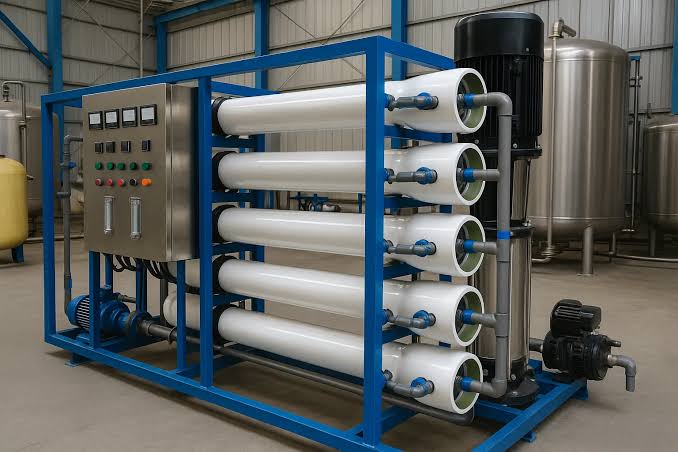
With drinking water filtration with RO, water pressure pushes incoming water through a semipermeable membrane designed to reject many dissolved substances.
The process produces two separate streams. One contains treated water, while the other carries concentrated rejected substances away from the membrane.
Depending on the equipment’s verified capabilities, reverse osmosis can reduce contaminants such as lead, nitrates, and dissolved salts.
That’s particularly useful when water testing identifies concerns that conventional carbon filtration cannot adequately address.
Still, reverse osmosis isn’t automatically necessary for every household. Understanding your original water quality should come before choosing treatment equipment.
Why Several Filtration Stages Work Better Together
A reverse osmosis membrane performs an important job, but it often benefits from additional filtration components.
Modern multi-stage reverse osmosis systems typically combine sediment removal, activated carbon filtration, membrane treatment, and sometimes additional polishing filters.
Each stage serves a different purpose. Sediment filters capture suspended particles that could interfere with subsequent treatment. Carbon filters can reduce chlorine and certain organic substances, while the membrane addresses many dissolved contaminants.
A final carbon filter may help refine the taste of treated water before it reaches the faucet.
Some units also include remineralization cartridges, which introduce selected minerals back into the water to modify its taste.
Interestingly, having more filtration stages doesn’t necessarily mean a system performs better. The quality, suitability, and verified effectiveness of each component matter far more than the number printed on the packaging.
Making Your Kitchen a Little More Convenient
Imagine preparing breakfast without opening another bottle of water. You simply turn on a dedicated faucet, fill the kettle, and get on with your morning.
That everyday convenience is one reason homeowners consider under-sink treatment equipment.
It can make filling reusable water bottles, preparing meals, and making beverages less complicated. There’s also less need to store bulky packages of bottled water in kitchen cupboards or utility rooms.
For busy families, these practical advantages can be just as appealing as the technology itself.
And if you regularly entertain guests or enjoy cooking from scratch, having appropriately treated water readily available can make kitchen routines feel noticeably easier.
Finding the Right Equipment for Your Home
Choosing a water treatment system can feel surprisingly overwhelming. Different capacities, installation requirements, and filtration features make it difficult to know which product offers the best value.
When comparing reverse osmosis filters for home use, start by considering your household’s water consumption, available installation space, incoming water pressure, and specific treatment requirements.
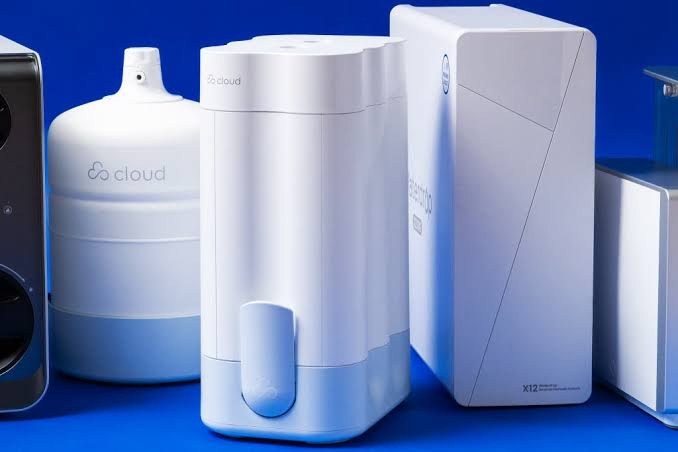
Traditional units often include storage tanks, allowing treated water to remain available when needed. Tankless models typically produce water on demand and may occupy less space beneath the sink.
Neither design is automatically superior. Much depends on how your household uses water throughout the day.
Ask about independent performance certifications, replacement component availability, and estimated maintenance expenses before making a purchase.
The right equipment should fit your lifestyle rather than force you to adjust your routine around it.
Can Reverse Osmosis Improve the Taste of Food and Drinks?
Water is an ingredient that rarely receives the attention it deserves.
Coffee lovers might spend considerable money on freshly roasted beans, yet overlook how water composition influences the final brew. Similarly, unwanted flavors in tap water may affect homemade soups, teas, and other beverages.
Reducing certain dissolved substances and disinfectant-related flavors may produce a more neutral taste.
However, taste remains subjective. Some people prefer water containing naturally occurring minerals, and certain mineral concentrations can contribute positively to coffee preparation.
It’s worth considering your preferences alongside measurable water quality concerns.
Understanding Water Usage and Long-Term Expenses
Reverse osmosis equipment requires more than an initial purchase.
The filtration process generates a concentrated discharge stream, and water efficiency varies between systems. Replacement cartridges, membrane maintenance, and occasional servicing also contribute to operating expenses.
If you’re hoping to reduce bottled water purchases, compare those potential savings against the ongoing costs of treatment.
A reliable, efficient system with reasonably priced replacement components may provide greater long-term value than an inexpensive unit that’s costly to maintain.
A Little Maintenance Goes a Long Way
Filters eventually reach their treatment capacity, and membranes require periodic replacement. Following manufacturer recommendations helps maintain consistent performance.
Keep track of servicing dates and investigate unexpected changes in taste or water flow.
Remember, pleasant-tasting water alone doesn’t confirm that treatment remains effective. Appropriate follow-up testing can provide more reliable information.
Better Drinking Water Without Unnecessary Complications
Improving your household drinking water starts with understanding what needs improvement. Reliable testing, thoughtful equipment selection, and regular maintenance can help you make the most of reverse osmosis technology.
At the end of the day, the appeal is wonderfully simple: having water available in your kitchen that meets your treatment needs and suits your taste. It’s a practical improvement that can quietly benefit your household every single day.