From the journal · November 25, 2026
Getting to the Root of Water Stains, Unpleasant Odors, and Taste Issues

Water should make everyday life easier, not leave you wondering why your bathroom fixtures are stained, your drinking water tastes strange, or your kitchen sink smells unpleasant. Yet these issues are surprisingly common in homes, particularly where water contains naturally occurring minerals, disinfectants, or substances picked up from plumbing and underground sources.
The frustrating part is that these problems often develop gradually. A few orange marks around the sink turn into stubborn stains, your morning glass of water tastes different, or an unusual smell appears whenever you turn on the tap. Rather than treating every symptom separately, understanding what’s behind the problem can help you find a more lasting solution.
Related reading: A Closer Look at Reverse Osmosis: Bringing Better-Tasting Water Into Your Kitchen · Making Better Drinking Water a Priority in Everyday Life
Why Rust-Colored Stains Keep Appearing
If you’ve noticed reddish, orange, or brown marks around sinks, toilets, bathtubs, or laundry, iron in the water may be responsible. Iron can enter water naturally through soil and rock formations, particularly in groundwater supplies and private wells. It may also come from corroding plumbing pipes or older fixtures.
These iron & rust stains can be difficult to remove once they’ve settled into surfaces. Regular household cleaners sometimes work temporarily, but the stains may return because the source of the iron hasn’t been addressed. Clothes can also develop discoloration after washing, which is especially frustrating when you’re dealing with freshly cleaned white shirts or towels.
Iron doesn’t always appear as visible particles. Some forms remain dissolved in water and only become noticeable after exposure to air, when they oxidize and develop a rusty appearance. The appropriate treatment depends on the concentration of iron and whether it’s dissolved, suspended, or combined with other substances.
Iron filtration systems, oxidation-based treatment, and specialized media filters may help, depending on the water conditions. Testing first is important because not every iron filter works effectively for every type of iron.
Dealing With Chlorine Taste and Unpleasant Odors
Municipal water suppliers commonly use chlorine or related disinfectants to help control harmful microorganisms as water travels through the distribution system. While this treatment plays an important role in maintaining water safety, some households find the resulting taste or smell unpleasant.
You might notice it most when drinking plain water, making coffee, preparing meals, or filling a glass straight from the kitchen faucet. Sometimes the smell seems stronger during certain seasons or after changes in the municipal water supply.
Concerns about chlorine taste & odor are often addressed with activated carbon filtration. Carbon filters can reduce chlorine and improve the taste and smell of drinking water when properly selected and maintained. The effectiveness depends on the filter’s design, capacity, water flow, and replacement schedule.
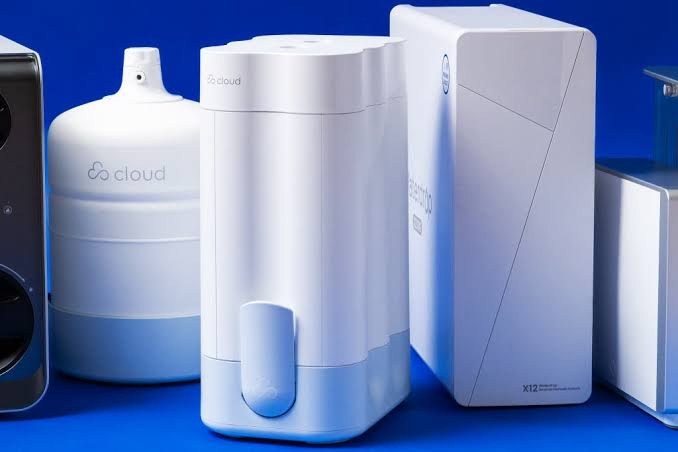
A small drinking water filter may be enough for someone who mainly wants better-tasting water at the kitchen sink. Others prefer a whole-house system that treats water entering the home. The right choice really comes down to personal preferences, water conditions, and how much water needs to be treated.
What Causes a Rotten Egg Smell in Well Water?
Few water problems are as unpleasant as turning on a tap and noticing a strong sulfur-like odor. People often describe it as smelling like rotten eggs. The smell may be present in cold water, hot water, or both, and those differences can offer useful clues.
The rotten egg smell in well water is commonly associated with hydrogen sulfide gas. It can occur naturally in groundwater or develop through certain bacterial processes in plumbing or well systems. In some cases, the odor may originate from the water heater rather than the water supply itself.
If the smell appears only when using hot water, the water heater could be contributing to the problem. If it’s noticeable in both hot and cold water, the well or plumbing system may need closer investigation.
Depending on the cause and concentration, treatment options may include aeration, activated carbon, oxidation and filtration, or other specialized systems. Simply masking the odor with a filter that isn’t designed for hydrogen sulfide may not provide reliable results.
Why Water Testing Makes Such a Difference
Many homeowners spend money on cleaning products, replacement fixtures, or filtration equipment before identifying what’s actually wrong. Unfortunately, trial and error can become expensive, especially when the same symptoms keep returning.
A water test can help determine whether iron, chlorine, hydrogen sulfide, hardness, or other factors are contributing to the problem. Well owners may also need to consider microbiological testing, particularly if the water source has changed in appearance, taste, or smell.
Testing provides a clearer picture of what needs attention. It also helps professionals recommend appropriate equipment instead of offering a one-size-fits-all solution.
Choosing a Treatment System That Fits Your Water
Every home has different water conditions. A household dealing with iron staining may require a completely different system from one experiencing chlorine odor or sulfur smells.
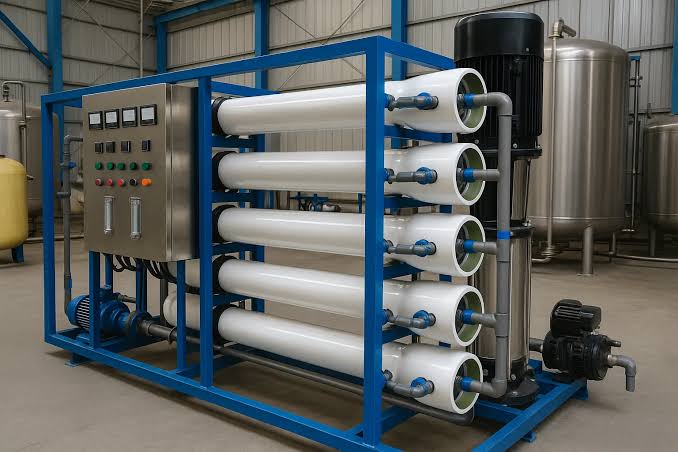
Before choosing treatment, consider the water source, contaminant levels, household consumption, plumbing layout, maintenance requirements, and available installation space. Some systems work best as point-of-use solutions, while others treat water throughout the house.
It’s equally important to understand that filtration equipment needs regular maintenance. Filters, media, valves, and other components may require servicing to maintain reliable performance over time.
Making Everyday Water Better
Unpleasant water stains, odors, and tastes can turn simple household routines into ongoing annoyances. Fortunately, many of these problems can be managed once their underlying causes are understood.
The best approach is to pay attention to changes, test your water when necessary, and choose treatment based on actual results. With the right equipment and consistent maintenance, your water can become easier to use, your fixtures easier to clean, and your everyday routines a little more comfortable. Sometimes, solving a problem you’ve lived with for years makes a bigger difference than you’d expect.