From the journal · November 25, 2026
Making Better Drinking Water a Priority in Everyday Life
Water is one of the simplest things we consume, yet its quality can have a noticeable impact on our daily routines. From preparing morning coffee to filling a bottle before leaving for work, we rely on clean water throughout the day without giving it much thought. But when the taste changes, an unpleasant odor appears, or concerns about contaminants start creeping in, water quality suddenly becomes a much bigger conversation.
For homeowners, finding a dependable way to improve drinking water isn’t necessarily about making life complicated. It’s about having a practical solution that fits the household, works consistently, and provides confidence every time someone turns on the kitchen tap.
Related reading: A Closer Look at Reverse Osmosis: Bringing Better-Tasting Water Into Your Kitchen · Getting to the Root of Water Stains, Unpleasant Odors, and Taste Issues
Why Water Quality Shouldn’t Be Overlooked
Water can contain naturally occurring minerals, sediment, dissolved substances, and other contaminants depending on its source and the treatment it receives. Municipal water supplies are generally treated, but water quality can still vary during distribution or because of household plumbing conditions. Private wells and borewell supplies may have entirely different concerns.
Sometimes the problem is obvious. Cloudy water, unusual taste, or a strong odor can make people hesitate before drinking. In other cases, certain contaminants have no visible signs at all. That’s why testing is more useful than relying only on appearance or taste.
A water test can help identify the actual concerns and guide you toward a suitable treatment method. Without it, homeowners may spend money on equipment that solves the wrong problem.
What Makes Drinking Water Treatment Effective?
A good treatment system should be selected according to the water being treated. Sediment filtration helps remove suspended particles, activated carbon can reduce chlorine taste and odor and certain organic compounds, while other technologies are designed for specific contaminants.
Reverse osmosis is particularly useful when the water contains elevated dissolved solids or certain contaminants that an RO membrane can reduce. UV treatment may also be appropriate when microbial contamination is a concern, provided the system is correctly designed and maintained.
The goal isn’t to remove everything from water indiscriminately. The goal is to address the substances that matter while maintaining a reliable supply for everyday drinking and cooking.
Choosing a System That Delivers Consistent Results
When comparing filtration products, homeowners often focus on price, appearance, or the number of filtration stages. Those details matter to some extent, but performance should come first.
Look for high-quality drinking water solutions with clearly documented contaminant-reduction claims. Independent certifications, replacement filter availability, warranty coverage, installation requirements, and ongoing maintenance costs can tell you far more about a product’s long-term value than flashy packaging.
A system should also suit your household’s consumption. A small unit may work well for a couple, while a larger family might need better flow rates or additional storage capacity. If drinking water is used for cooking, making beverages, and filling multiple bottles every day, convenience becomes a real consideration.
It’s worth thinking about the practical side too. Will the system fit beneath your kitchen sink? Is there a nearby electrical connection if required? Does it need a separate faucet? These are small questions, but they can make installation much easier.
Point-of-Use Treatment and the Kitchen Advantage
Whole-house filtration and drinking water treatment serve different purposes. Whole-house systems treat water entering the property, helping address certain water quality concerns throughout the plumbing. Drinking water systems focus on a specific tap, usually in the kitchen, where water is used for consumption.
For many families, point-of-use drinking water treatment makes sense because it targets the water used for drinking, preparing meals, and making tea or coffee. It can provide a dedicated source of treated water without requiring every tap in the house to receive the same level of filtration.
Point-of-use systems are generally compact and can be easier to install than larger treatment equipment. However, the right choice still depends on the source water and the contaminants you need to address. A kitchen purifier isn’t automatically the best solution for every situation.
Understanding Reverse Osmosis Before You Buy
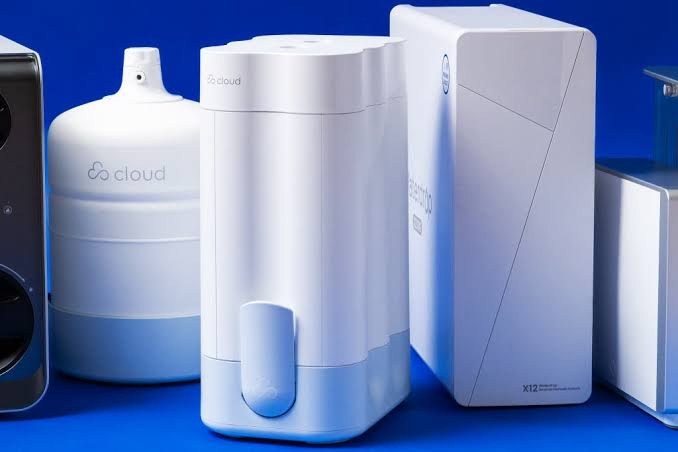
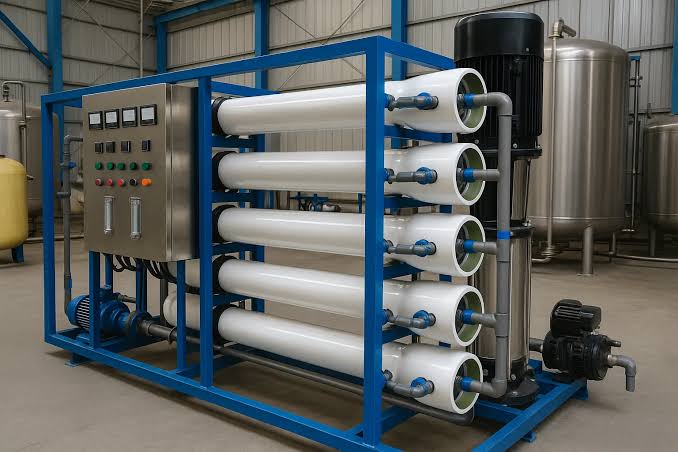
Reverse osmosis systems are available in different configurations, with variations in membrane capacity, prefilters, postfilters, storage tanks, and water recovery rates. Some units are designed for basic household use, while others include additional features such as monitoring displays or automatic flushing.
When exploring reverse osmosis filtration options, consider the quality of your incoming water and the system’s actual capabilities. Check which contaminants it has been tested to reduce and whether the claims are supported by credible certification or testing documentation.
RO systems also produce wastewater during filtration. Water efficiency varies between models, so it’s sensible to compare recovery rates rather than assume every purifier performs equally. Filter replacement costs should be included in your budget, since maintaining the system is essential to its performance.
Maintenance Is Part of the Investment
Even a well-designed purifier needs regular attention. Filters don’t last forever, and membranes may require replacement depending on water quality, usage, and manufacturer recommendations. Ignoring maintenance can reduce filtration performance and affect the quality of stored water.
Keep a simple record of replacement dates, follow cleaning instructions, and pay attention to changes in water taste, odor, or flow. If something seems unusual, have the system checked rather than waiting for the problem to worsen.
A Small Improvement That Matters Every Day
Better drinking water doesn’t have to involve an elaborate setup or unnecessary expense. Start by understanding your water, compare suitable technologies, and choose a system that fits your needs and maintenance habits.
When clean water is easy to access, daily routines become a little smoother. You spend less time worrying about what you’re drinking and more time enjoying the simple things, whether that’s a refreshing glass of water on a hot afternoon or a cup of tea made just the way you like it. Sometimes, that’s the kind of improvement a home really needs.