From the journal · October 29, 2026
Making Home Water Systems Easier to Monitor and Maintain
Water quality is one of those things people rarely think about until something goes wrong. Perhaps the drinking water starts tasting different, the shower pressure drops, or a small leak appears near a filtration unit. These problems can be frustrating, especially when a water treatment system is supposed to make everyday life simpler. Thankfully, modern systems are becoming easier to monitor, maintain, and use, thanks to thoughtful features that help homeowners spot problems early and keep everything running smoothly.
A well-designed water treatment system does more than filter water. It gives people confidence that their equipment is working as expected, without requiring constant attention or technical knowledge. From easy-to-read indicators to convenient filter replacements, small improvements can make a surprisingly big difference in daily life.
Related reading: Cleaner Drinking Water at Home: Understanding Your Options Before You Buy · Choosing the Right Commercial Water Softener for Your Business
Clear Information at a Glance
Most homeowners don’t want to spend their free time checking equipment manuals or trying to understand complicated displays. They simply want to know whether the system is working, when maintenance is needed, and whether something requires attention. This is where modern monitoring features become useful.
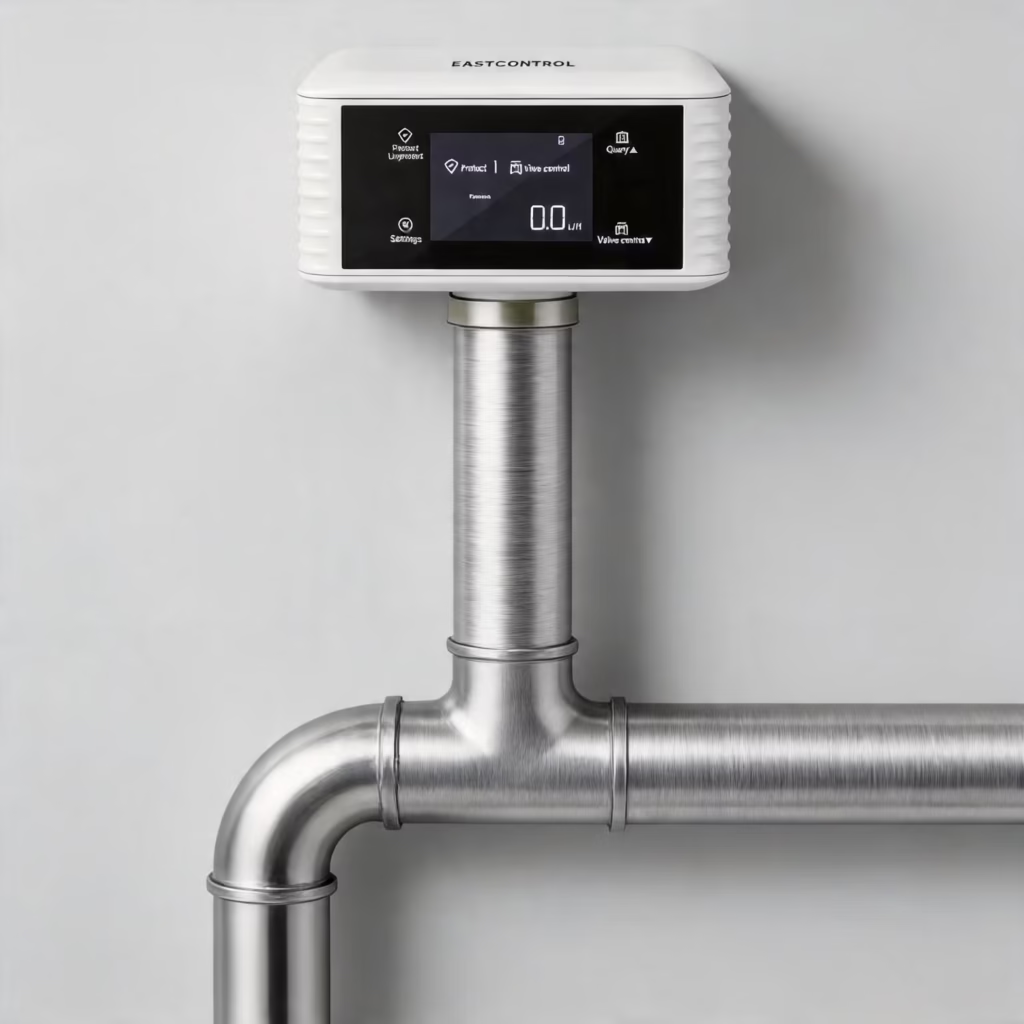
Many newer systems include smart led indicators that communicate important information through simple visual signals. Depending on the model, these lights may indicate normal operation, a filter nearing the end of its useful life, or a maintenance requirement. Instead of guessing, users can check the display and decide whether any action is needed.
The benefit is convenience, but there’s another advantage: clear information can help people develop better maintenance habits. A warning light is easy to notice during an ordinary visit to the kitchen or utility area. A small reminder might prevent someone from forgetting about a filter change for several months.
Of course, indicators vary between manufacturers and models. Homeowners should check the product manual to understand what each light means rather than assuming that every system uses the same signals.
Why Early Leak Detection Matters
A small leak might seem harmless at first. A few drops beneath a water filter can be easy to overlook, particularly when the equipment sits inside a cabinet or in a basement utility room. Yet even a slow leak can damage flooring, cabinets, stored belongings, and nearby electrical equipment if it continues unnoticed.
Reliable leak detection can help reduce this risk by alerting homeowners when water appears where it shouldn’t. Depending on the system, this may involve a dedicated moisture sensor, a connected monitoring device, or an automatic shutoff feature. Some products can send notifications to a smartphone, allowing users to respond even when they’re away from home.
These features are particularly valuable in households where the filtration system is installed in a less visible location. A homeowner might be at work all day while a loose connection slowly releases water beneath the sink. An alert could provide an opportunity to address the problem before the damage becomes extensive.
Still, electronic monitoring should be viewed as an extra layer of protection, not a guarantee against every plumbing problem. Sensors need to be installed correctly, batteries or power supplies may require attention, and alerts should be tested according to the manufacturer’s instructions.
It also helps to inspect fittings and tubing occasionally. Technology can make problems easier to notice, but basic care remains important.
Filter Replacement Without the Unnecessary Hassle
Filters are at the heart of many home water treatment systems. They help reduce particular impurities, improve taste, or address other water quality concerns, depending on the filtration method. However, filters don’t last forever. Over time, their performance may decline, and restricted flow can become an issue when replacement is overdue.
This is why quick-change filters can be so practical. Rather than requiring a complicated process involving multiple tools and awkward fittings, certain systems allow users to remove an old cartridge and install a replacement with relatively little effort.
For a busy household, that simplicity matters. People are more likely to keep up with routine maintenance when the process feels manageable. Nobody enjoys discovering that a basic filter change requires a long search for tools, a confusing set of instructions, and an afternoon spent cleaning up afterward.
Quick-change designs also make routine servicing more approachable for people who prefer handling simple maintenance themselves. However, the exact replacement process differs by product. Some systems require the water supply to be shut off, while others have specific pressure-release or flushing instructions. Following the manual helps prevent leaks and ensures the replacement filter is seated correctly.
Using the correct cartridge is equally important. A filter that looks similar to the original may not provide the same filtration performance or fit properly. Always confirm compatibility before purchasing replacements.
Good Maintenance Starts With Understanding Your Water
Even an advanced filtration system cannot solve every water quality issue. Different homes have different water sources, plumbing conditions, and treatment needs. A household dealing with hard water may require a different solution from one concerned about chlorine taste or a specific contaminant.
Before choosing equipment, homeowners should understand what is actually present in their water. Depending on the source and local conditions, this may involve reviewing the supplier’s water quality report or arranging appropriate testing. Private well owners may need more frequent testing because water quality can change over time.
Testing also helps determine whether a system is doing the job it was selected to do. For example, a filtration unit designed to improve taste should not automatically be assumed to remove every harmful substance. Treatment claims depend on the technology, the filter used, and the contaminants being targeted.
A sensible approach starts with identifying the problem, selecting equipment designed for that purpose, and following the recommended service schedule. It may sound straightforward, but it can save money and frustration in the long run.
Small Features, Real Everyday Benefits
The value of a modern water system often comes down to how easily it fits into ordinary routines. Clear indicators reduce uncertainty. Leak sensors can provide an earlier warning of trouble. Convenient filter designs make maintenance less intimidating. None of these features replaces good installation or regular care, but together they can make ownership less stressful.
Consider a family that uses filtered water every day. If the system clearly signals when maintenance is due, replacing a cartridge becomes a planned task rather than an unexpected inconvenience. If a sensor detects moisture beneath the sink, the family may be able to address a loose connection before it damages the cabinet. These are modest improvements, yet they protect both time and peace of mind.
When comparing systems, look beyond the initial purchase price. Check the cost and availability of replacement filters, the clarity of maintenance instructions, the type of alerts provided, and whether the equipment suits the available installation space. Smart features are useful only when they work reliably and are easy for the household to understand.
Choosing a System You Can Live With
The best water treatment system isn’t necessarily the one with the longest feature list. It’s the one that addresses your water quality concerns, fits your budget, and remains practical to maintain over the years.
Before making a decision, ask a few simple questions. Does the system clearly communicate maintenance needs? Are replacement filters easy to obtain? Does it offer leak monitoring, and what happens when a leak is detected? Are installation and servicing requirements realistic for your home?
These details deserve attention because water treatment is a long-term investment, not just a one-time purchase. A system that is easy to understand and care for is more likely to receive the maintenance it needs.
Clean, dependable water should feel like a normal part of home life, not another complicated responsibility. With the right equipment, useful monitoring features, and a little routine attention, homeowners can enjoy greater confidence in their water system while avoiding many of the problems that come from neglected maintenance.