
There are certain household conveniences we barely notice—until they disappear. Hot water is probably at the top of that list. You don’t think about it while taking a morning shower, washing dishes after dinner, or running a load of laundry. It simply works in the background, quietly making everyday life more comfortable.
Then one morning the shower turns cold halfway through, the kitchen sink takes forever to warm up, or strange noises begin echoing from the utility room. Suddenly, the water heater becomes the most important appliance in the house.
The truth is, water heaters rarely fail without leaving a few clues first. Paying attention to those signs and making smart decisions about maintenance or replacement can save money, reduce stress, and keep your household running smoothly.
Your Water Heater Works Harder Than You Think
A typical household relies on hot water dozens of times each day.
Morning showers.
Dishwashers.
Laundry cycles.
Hand washing.
Cooking.
Cleaning.
Every one of those activities depends on a water heater that operates efficiently behind the scenes. Because it works so consistently, homeowners often forget it’s one of the hardest-working appliances in the home.
Over time, however, normal wear and tear begins to take its toll. Minerals collect inside the tank, heating elements lose efficiency, and components naturally age.
Eventually, even the most dependable system needs attention.
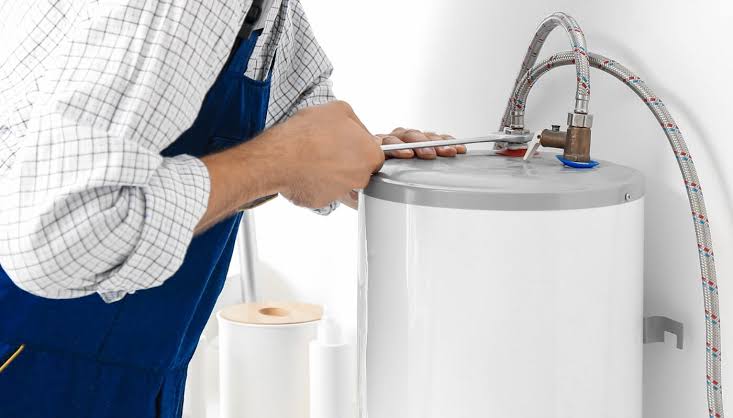
Why Professional water heater installation Matters
Choosing a new water heater involves much more than picking the right size.
The unit must be matched to your household’s hot water demand, available fuel source, plumbing layout, local building codes, and energy efficiency goals. Proper sizing alone can make a noticeable difference in both comfort and operating costs.
That’s why water heater installation is best approached as a long-term investment rather than a quick replacement.
When installed correctly, a quality water heater provides consistent performance, better energy efficiency, and reliable hot water for years to come.
Professional installation also helps ensure safety by verifying proper venting, pressure relief valves, water connections, electrical or gas hookups, and overall system operation before the unit is placed into regular service.
Those details may not be visible every day, but they matter.
Small Warning Signs Should Never Be Ignored
Water heaters usually give homeowners advance notice before completely failing.
Some common warning signs include:
- Water that isn’t as hot as it used to be
- Hot water running out faster than normal
- Rumbling or popping sounds from the tank
- Rust-colored water
- Water pooling near the unit
- Rising energy bills without another obvious explanation
None of these symptoms automatically means replacement is necessary, but they do suggest it’s time for a closer inspection.
Addressing problems early often prevents inconvenient breakdowns when you need hot water the most.
Timely water heater repair Can Extend Equipment Life
Not every water heater issue requires purchasing a brand-new system.
In many cases, professional water heater repair can restore performance by replacing heating elements, thermostats, valves, ignition components, pressure relief valves, or other worn parts before more significant damage develops.
Routine maintenance also plays an important role.
Flushing sediment from the tank, checking the anode rod, inspecting fittings, and testing safety devices help the unit operate more efficiently while reducing unnecessary wear.
Homeowners who stay proactive often enjoy several additional years of dependable service before replacement becomes necessary.
It’s one of those situations where small maintenance decisions frequently prevent much larger repair bills.
Energy Efficiency Has Improved Dramatically
Modern water heaters are considerably more efficient than many older models.
Improved insulation, smarter controls, better burner designs, and enhanced heating technology allow today’s systems to deliver reliable hot water while consuming less energy.
For families replacing units that are ten to fifteen years old—or even older—the difference in operating costs can become noticeable over time.
While upfront purchase price certainly matters, long-term efficiency often deserves equal consideration when comparing replacement options.
Lower monthly utility bills gradually offset part of the initial investment.
Why Many Homeowners Are Choosing tankless water heaters
Among today’s available options, tankless water heaters continue gaining popularity for households looking to improve efficiency and save space.
Unlike traditional storage tanks, tankless systems heat water only when it’s needed. That means homeowners don’t continuously maintain a large reservoir of hot water throughout the day.
Many families appreciate the nearly endless supply of hot water during showers, while others enjoy the compact design that frees up valuable utility room space.
Of course, tankless systems aren’t automatically the best solution for every household.
The ideal choice depends on water usage, household size, plumbing configuration, and budget. That’s why professional guidance remains valuable before making a final decision.
The right system is always the one that fits your home’s specific needs.
Water Quality Affects Water Heater Performance
One factor many homeowners overlook is the relationship between water quality and water heater lifespan.
Hard water contains minerals that gradually settle inside storage tanks and around heating components. As sediment accumulates, the system becomes less efficient and works harder to produce the same amount of hot water.
Regular maintenance helps minimize these effects, while homes with significant hard water often benefit from water treatment systems designed to reduce mineral buildup before it reaches the heater.
Cleaner water doesn’t just improve daily comfort—it also helps protect one of the home’s most important appliances.
Repair or Replace? Knowing When It’s Time
Deciding whether to repair or replace a water heater isn’t always straightforward.
If the unit is relatively new and the problem is isolated, repair usually makes financial sense.
However, repeated repairs, declining efficiency, visible corrosion, leaks from the tank itself, or equipment approaching the end of its expected lifespan may indicate replacement is the wiser long-term investment.
An experienced technician can evaluate the condition of the unit and explain the available options without unnecessary guesswork.
Having accurate information makes these decisions much easier.
Hot Water Is Something You Appreciate Every Single Day
Few home upgrades influence daily comfort as consistently as a reliable water heater.
You notice it during the first shower of the morning.
While washing dishes after dinner.
When running multiple loads of laundry on the weekend.
Even while filling the bathtub after a long day.
Reliable hot water quietly supports countless routines without asking for attention.
That’s why investing in proper installation, timely maintenance, and thoughtful repairs isn’t simply about protecting an appliance. It’s about protecting the comfort and convenience your family depends on every day.
When your water heater is properly maintained and matched to your household’s needs, it becomes one of those home systems you rarely think about—and honestly, that’s exactly how it should be.