
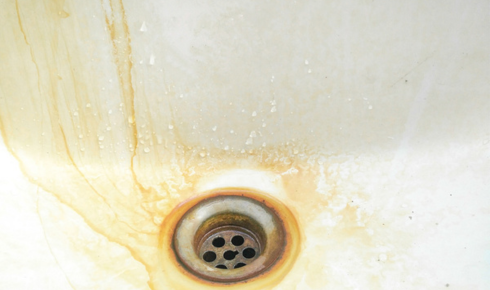
We don’t usually think about water until something goes wrong.
It’s just there. Flowing from the tap, filling the kettle, running through hoses, tanks, and pipes behind the scenes. It supports everything from cooking dinner to watering the garden. And when it’s working properly, it feels invisible — like it should.
But here’s the uncomfortable truth: water systems, whether in homes, RVs, small businesses, or workshops, don’t stay clean on their own. They need attention. Not constant babysitting, but intentional care.
And that’s where most problems begin — not with dramatic contamination, but with quiet neglect.
Why Water Systems Deserve More Attention
Every water system, no matter how advanced, is a living environment in its own way. Moisture sits inside tanks. Water rests in hoses. Minerals accumulate in corners and valves. Over time, biofilm can develop — that thin, almost invisible layer of microbial growth that forms wherever water lingers.
It’s not always obvious. There may be no smell, no discoloration. But stagnation and residue can quietly compromise performance.
Related brief: # Choosing Cleaner Water for Everyday Living: Smart Filtration Decisions That Truly Make a Difference
For example, in mobile systems like RVs or marine setups, cleaning solutions that sanitizes tanks and hoses are essential after storage periods. Even in fixed home systems, similar principles apply. Any enclosed water space benefits from periodic flushing and disinfecting.
This isn’t about alarmism. It’s about realism. Water plus time equals buildup. That’s just physics and biology doing what they do.
The Link Between Clean Equipment and Safe Water
We often talk about filtration and purification, but rarely about the state of the system itself. A high-quality filter can’t compensate for neglected components upstream.
Maintaining safe water systems means more than installing the right equipment. It means ensuring that tanks are clean, hoses are flushed, and connections remain secure. It means replacing worn seals before they become leak points. It means paying attention before small issues become expensive ones.
Consider something simple: a garden hose left sitting in the sun for weeks. Water trapped inside warms up, stagnates, and picks up debris. The same concept applies to indoor systems — just less visibly.
Related brief: When Customer Care Actually Feels Human: Why Real Service Still Matters
When systems are properly cleaned and maintained, water tastes better. It flows more consistently. Appliances last longer. And perhaps most importantly, you trust it.
Trust matters when it comes to water.
Routine Care Isn’t Complicated
The phrase “maintenance schedule” can make people groan. It sounds formal. Time-consuming. Easy to postpone.
But routine care doesn’t need to be overwhelming.
It might mean flushing a system before seasonal use. Replacing filters every few months. Inspecting tanks annually. Running sanitizing solutions through hoses after extended downtime. None of these tasks require specialized training — just consistency.
Related brief: The Quiet Habit That Keeps Your Water Working the Way It Should
In fact, consistency is the entire game.
When maintenance becomes habitual, it stops feeling like a chore. It’s just part of how you care for your home or equipment. Like changing air filters in your HVAC system or cleaning gutters before winter.
The effort is small compared to the inconvenience of neglect.
Signs Your System Needs Attention
Sometimes systems tell you when they need help. Reduced water pressure. Slightly unusual taste. Minor discoloration. Even air bubbles sputtering from the tap can signal trapped buildup.
Other times, the signs are subtle. Maybe the water heater seems less efficient. Maybe your coffee tastes different than usual. Maybe you simply can’t remember the last time you sanitized the tank.
Related brief: You Don’t Think About Your Water—Until Something Feels Off
When in doubt, err on the side of caution. Cleaning and flushing rarely harm a system when done properly. Ignoring it, on the other hand, can shorten equipment lifespan and create avoidable headaches.
The Seasonal Reset
Many water systems go through cycles of heavy use and dormancy. Think about vacation homes, campers, or irrigation systems. When left unused, water sits.
Before bringing those systems back online, a thorough cleaning and sanitizing session acts like a reset button. It clears out stagnation and ensures you’re starting fresh.
Even permanent residential systems benefit from an annual review. Inspect fittings. Check hoses for cracks. Confirm that sanitizing procedures align with manufacturer guidelines.
It doesn’t have to be elaborate. It just needs to happen.
Related brief: Backflow Testing: A Simple Step That Helps Protect Your Water Supply
The Long-Term Payoff
There’s something deeply satisfying about knowing the systems in your home are clean behind the scenes. You may never see the inside of your water tank or filtration housing, but you feel the difference when everything works smoothly.
Regular maintenance supports efficiency. It reduces strain on pumps and valves. It helps filters perform as designed. Over time, that translates into fewer repairs and lower replacement costs.
It also supports peace of mind.
Water is personal. It touches your meals, your showers, your daily routines. Maintaining the systems that deliver it is less about perfection and more about respect for something essential.
Small Habits, Big Impact
If there’s one takeaway here, it’s this: don’t wait for problems to announce themselves loudly. Preventative care keeps systems steady and reliable.
Flush when needed. Sanitize annually. Replace worn components before they fail. Keep a simple maintenance log if it helps you stay consistent.