

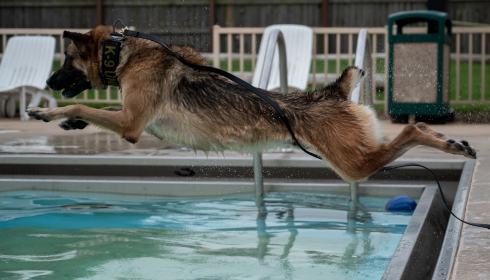
Dog jump water training has become one of the most exciting and beneficial activities for modern dog owners seeking structured physical and mental enrichment for their pets. This engaging sport strengthens the body, sharpens the mind, and builds trust between dogs and handlers through positive reinforcement and skill development. With professional guidance from Rob’s Dog Training, dogs can learn to approach water confidently, perform controlled jumps, and develop lifelong healthy habits.
Water-based training offers more than entertainment. It supports behavioral improvement, physical conditioning, and emotional stability. When introduced correctly, dog jump water activities create a safe environment where dogs develop coordination, overcome fear, and enhance obedience. Understanding proven training methods, safety practices, and step-by-step techniques ensures long-term success.
Why Dog Jump Water Training Matters for Canine Development
Dog jump water training supports a dog’s total well-being by combining structured exercise, discipline, and mental stimulation. Unlike routine walks or standard play sessions, water jump activities challenge both physical ability and cognitive focus.
Physical Health Benefits of Dog Jump Water Training
Water provides natural resistance that strengthens muscles while minimizing stress on joints. This makes dog jump water training suitable for dogs of various ages, sizes, and activity levels.
Key physical benefits include:
- Increased muscle strength and endurance
- Improved cardiovascular health
- Enhanced flexibility and joint mobility
- Healthy weight management
- Better coordination and balance
Because water reduces impact, this activity is particularly beneficial for dogs recovering from minor injuries or experiencing age-related joint sensitivity.
Mental Stimulation and Confidence Building
Learning new skills promotes mental engagement and emotional growth. Dog jump water training encourages dogs to think, adapt, and respond to commands in unfamiliar environments.
Mental benefits include:
- Reduced anxiety and fear-related behaviors
- Improved focus and discipline
- Increased adaptability to new environments
- Stronger trust in handlers
- Enhanced problem-solving ability
Confident dogs typically display better social behavior, improved responsiveness, and reduced destructive tendencies.
How to Start Dog Jump Water Training Safely
Successful dog jump water training requires patience, preparation, and gradual exposure. Rushing the process can create fear or hesitation, making future training more challenging.
1. Introduce Water Gradually
Begin with shallow, calm water where the dog can comfortably stand. Allow natural exploration without pressure. Gentle encouragement and positive reinforcement help create a sense of safety and curiosity.
Dogs unfamiliar with water should be given time to observe, sniff, and interact at their own pace. Early positive experiences shape long-term comfort.
2. Use High-Value Motivation
Floating toys or favorite objects encourage movement toward the water. These tools build excitement and reinforce positive associations with the activity.
Effective motivators include:
- Floating retrieval toys
- Treat rewards
- Verbal praise
- Play-based reinforcement
Motivation accelerates learning and increases engagement during sessions.
3. Establish Strong Obedience Foundations
Basic commands such as sit, stay, and come provide essential control during water training. A dog that responds reliably to commands learns faster and trains more safely.
4. Keep Training Sessions Short and Consistent
Frequent short sessions prevent fatigue and maintain enthusiasm. Consistency helps reinforce learning patterns and build confidence over time.
Essential Equipment for Dog Jump Water Training
Using proper equipment ensures safety, improves performance, and creates a controlled learning environment. Quality tools reduce risks and enhance the overall training experience.
Safety Equipment
- Canine life jackets for buoyancy and security
- Non-slip ramps or dock platforms
- Floating retrieval toys
- Towels and drying supplies
Life jackets are especially useful for beginners or dogs still developing swimming ability.
Training Environment Requirements
A safe training environment should include:
- Clean, calm water conditions
- Secure entry and exit points
- Minimal distractions
- Stable jumping surfaces
A controlled environment allows dogs to focus entirely on skill development without unnecessary stress.
Dog Jump Water Techniques for Better Performance
Effective technique transforms simple water entry into controlled, confident jumping. Structured training improves precision, reduces injury risk, and enhances performance.
Building a Strong Approach
A steady and balanced run-up improves momentum and jump accuracy. Practicing approach techniques on land helps develop coordination before introducing water.
Gradual progression from walking to running approaches builds control and confidence.
Encouraging Proper Jump Form
Dogs should be guided to jump forward rather than downward. Proper form reduces joint strain and increases jumping distance. Trainers use visual cues and target objects to guide direction.
Reinforcing Successful Behavior
Immediate praise or reward strengthens positive behavior. Dogs learn quickly when desired actions consistently lead to positive outcomes.
Common Challenges in Dog Jump Water Training
Every dog progresses differently. Understanding common obstacles allows handlers to adapt training methods effectively.
Fear of Water
Some dogs hesitate due to unfamiliar sensations, sounds, or surfaces. Gradual exposure, gentle encouragement, and reward-based methods help overcome fear.
Lack of Motivation
Low engagement may result from insufficient rewards or distractions. Adjusting incentives and training environments often improves performance.
Overexcitement and Lack of Focus
Highly energetic dogs may struggle with control. Pre-training exercise and structured routines help maintain focus and discipline.
Inconsistent Performance
Dogs may perform well in one environment but struggle in another. Training in varied locations improves adaptability and reliability.
Professional Guidance in Dog Jump Water Training
Professional instruction accelerates learning and ensures proper technique. Expert trainers assess behavior, identify challenges, and create customized training programs.
Benefits of professional dog jump water training include:
- Personalized training strategies
- Structured skill progression
- Safer learning conditions
- Faster behavioral improvement
- Expert handling of behavioral challenges
Professional programs help dogs develop confidence while minimizing stress or training errors.
Building Long-Term Success in Dog Jump Water Activities
Achieving lasting results requires ongoing practice and gradual skill advancement. Consistent reinforcement strengthens learned behaviors and improves performance.
Long-term success strategies include:
- Regular training sessions
- Gradual increase in difficulty
- Continuous monitoring of comfort levels
- Positive and enjoyable learning experiences
Dogs that associate training with positive outcomes remain motivated and eager to participate.
The Role of Positive Reinforcement in Dog Jump Water Training
Positive reinforcement remains one of the most effective methods in modern dog training. Reward-based learning strengthens trust and encourages consistent behavior.
Examples of reinforcement techniques include:
- Verbal praise immediately after success
- Treat rewards for correct actions
- Playtime incentives
- Physical affection
Reward-based training promotes emotional security and reduces fear-based responses.
Safety Considerations for Dog Jump Water Training
Safety should always remain a top priority during training sessions. Responsible handling prevents injuries and ensures long-term participation.
Important safety guidelines include:
- Monitoring water temperature and quality
- Avoiding strong currents or hazardous surfaces
- Providing rest breaks to prevent exhaustion
- Ensuring proper hydration
- Watching for signs of stress or fatigue
Safe training environments allow dogs to learn confidently without unnecessary risks.
Why Dog Owners Choose Dog Jump Water Training
Dog jump water training offers a unique combination of recreation, exercise, and structured learning. Many dog owners value its ability to improve behavior while providing engaging physical activity.
Primary reasons dog owners choose this training include:
- Improved obedience and discipline
- Increased physical fitness
- Reduced behavioral issues
- Enhanced handler-dog relationship
- Structured recreational activity
This training transforms routine exercise into a purposeful skill-building experience.
Behavioral Improvements Through Dog Jump Water Training
Structured physical activity often leads to noticeable behavioral improvements. Dogs with regular mental and physical stimulation display better emotional balance and responsiveness.
Behavioral benefits may include:
- Reduced destructive behavior
- Lower anxiety levels
- Improved social interaction
- Better impulse control
- Stronger focus on commands
Consistent training helps channel energy into productive activities.
Strengthening the Bond Between Dogs and Handlers
Dog jump water training strengthens communication and trust. Dogs learn to rely on guidance, while handlers develop a deeper understanding of canine behavior.
Shared training experiences create:
- Stronger emotional connection
- Better communication
- Increased mutual trust
- Greater cooperation
A strong bond improves overall training success and daily interactions.
The Growing Popularity of Dog Jump Water Sports
Water-based dog sports continue gaining popularity worldwide due to their health benefits and engaging nature. Many pet owners seek structured activities that promote fitness while strengthening relationships with their dogs.
Dog jump water training provides an accessible introduction to water sports and performance activities, making it appealing for both beginners and experienced handlers.
Conclusion
Dog jump water training delivers powerful benefits that extend beyond simple recreation. It enhances physical strength, builds confidence, improves behavior, and strengthens the bond between dogs and handlers. Through gradual training, proper safety practices, and consistent positive reinforcement, dogs develop strong swimming ability and controlled jumping skills. Professional guidance from Rob’s Dog Training ensures structured progress and safe learning experiences, helping dogs achieve their full potential. Investing time in dog jump water training creates lasting improvements in health, discipline, and emotional well-being. With patience, consistency, and expert support, dogs gain the confidence and skills needed to thrive both in and out of the water.