From the journal · October 26, 2026
The Art of Making a House Feel Like Home: Thoughtful Design in Every Room
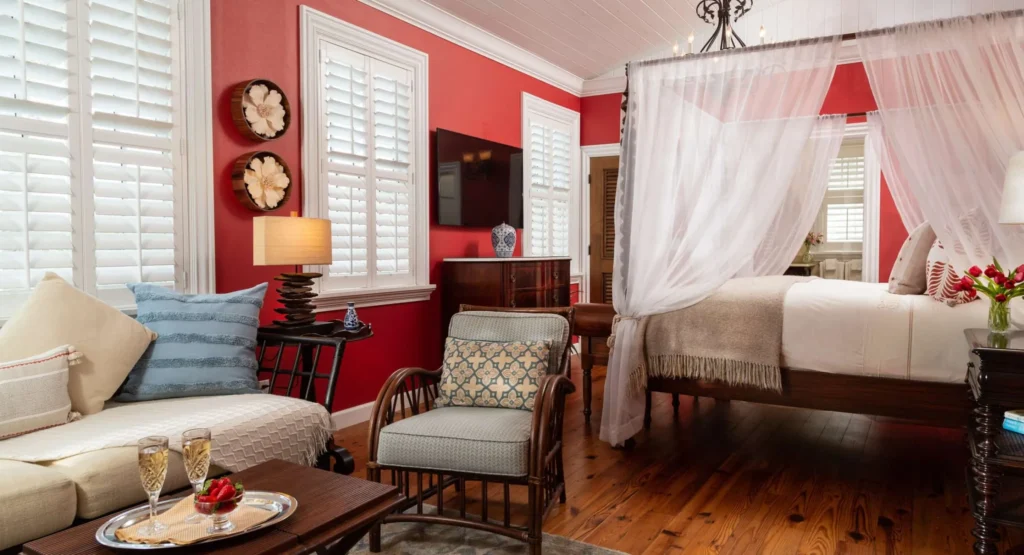
A home rarely comes together in one big moment. More often, it takes shape through dozens of small decisions: where the morning light falls, whether the kitchen has enough room for two people to cook, or how a favorite chair fits beside a window. These details might seem ordinary on their own, but over time, they determine whether a house simply looks attractive or genuinely feels like home.
Good interior design understands that difference. It brings together practical planning, personal taste, and a little imagination to create spaces that work for everyday life. The goal isn’t to make every room look as though it belongs in a magazine. It’s to build a home that feels comfortable, reflects the people living in it, and continues to make sense as their needs change.
Related reading: The Importance of Proper Base Preparation in Hardscaping · The Difference Between Crawl Space Waterproofing and Encapsulation
Start With the Way You Actually Live
Before choosing paint colors or browsing furniture, take a closer look at your daily routines. A beautiful room can quickly become frustrating if it doesn’t support the way you use it. A family that cooks together may need generous counter space and clear circulation through the kitchen. Someone who works from home might value a quiet corner with good lighting more than a formal dining area used twice a year.
These observations help establish priorities. They also prevent unnecessary spending on features that look impressive but offer little practical value.
Think about the small annoyances you encounter every day. Is there never enough storage near the entrance? Does the living room feel crowded when guests arrive? Are bedrooms too dark in the evening? Such questions offer useful clues about what needs to change.
Sometimes, the most effective design improvement isn’t a dramatic renovation. It may be a better furniture arrangement, an additional storage cabinet, or a more thoughtful lighting plan. Understanding the problem first makes it easier to choose the right solution.
Respect the Character of the Property
Every home has its own personality, even before the furniture arrives. Ceiling heights, window placement, architectural details, and the relationship between rooms all influence how a space feels. Rather than fighting these characteristics, a thoughtful design plan works with them.
Consider a property in walter’s port, where the surrounding environment and the home’s existing architecture may influence choices about materials, natural light, and the overall atmosphere. The same principle applies anywhere: design decisions should respond to the building and its setting instead of relying on a formula that could be copied into any house.
Older homes often benefit from preserving distinctive features, such as original timber floors, decorative trim, or interesting window shapes. In newer properties, clean lines and open layouts can provide a useful starting point, although they still need warmth and individuality.
There is no single style that suits every home. Contemporary, traditional, transitional, and more eclectic interiors can all work beautifully when their elements are chosen with care. What matters is the relationship between the details and the people who live with them.
Plan the Layout Before Choosing Finishes
It is tempting to begin with the fun decisions: a dramatic stone countertop, a richly colored sofa, or patterned wallpaper for the hallway. Yet the layout should usually come first. Even the most expensive finishes cannot compensate for a room that feels awkward to move through.
Good space planning considers how people enter a room, where they sit, what they need to reach, and how one area connects to another. Furniture should leave enough space for comfortable movement, doors should open without obstruction, and frequently used items should be easy to access.
In an open-plan home, the challenge is often creating distinct zones without making the space feel divided. A rug can help define the living area, while pendant lighting may establish a visual focus over the dining table. Consistent flooring or a repeated material can connect the zones and maintain a sense of flow.
For a more compact property, multifunctional furniture and carefully planned storage can make a significant difference. A bench with concealed storage, for example, may provide seating while keeping everyday clutter out of sight. Small rooms don’t necessarily need fewer belongings; they need smarter ways to accommodate them.
Make Each Room Feel Connected
A well-designed home has variety, but it shouldn’t feel as though every room belongs to a different property. Some form of visual continuity helps the overall design feel intentional.
That doesn’t mean using identical colors throughout the house. Instead, choose a restrained palette of complementary shades and repeat selected materials, finishes, or shapes. Warm wood in the kitchen might appear again in bedroom furniture, while a particular metal finish can connect lighting fixtures and cabinet hardware.
A project at fieldstone place could, for instance, use a shared palette to create continuity while allowing each room to serve a different purpose. The living room might feel relaxed and welcoming, the kitchen bright and practical, and the bedrooms quieter and more personal. The connection comes from the considered details rather than identical decoration.
Lighting plays a major role here. Ambient lighting provides general illumination, task lighting supports activities such as reading or food preparation, and accent lighting highlights architectural features or artwork. Combining these layers gives rooms more flexibility throughout the day.
Natural light deserves equal attention. Window treatments should provide privacy without unnecessarily blocking daylight, and mirrors can help distribute light in suitable spaces. The result is often a home that feels more open and inviting without changing its footprint.
Choose Materials for Both Beauty and Durability
Materials influence more than appearance. They affect maintenance, comfort, longevity, and the way a room feels under everyday use. A delicate surface might be perfect for a formal sitting room but less suitable for a busy family kitchen.
When comparing finishes, consider how they will age. Natural timber develops character over time, while some polished surfaces show fingerprints and scratches more readily than textured alternatives. Flooring should be selected with traffic, moisture, pets, and cleaning habits in mind.
The same practical thinking applies to upholstery. A pale fabric can look wonderful in a quiet reading room, but a household with young children may prefer a durable, easy-to-clean option. Practicality doesn’t have to mean sacrificing style. There are plenty of ways to balance the two.
It is also worth avoiding the temptation to choose every finish at once. Collect samples, compare them under the home’s actual lighting, and see how they look together. A color that seems soft and neutral in a showroom may appear much cooler beside a particular floor or countertop.
Give Personal Details Room to Shine
A home becomes memorable when it reflects more than current decorating trends. Family photographs, inherited furniture, artwork collected during travels, and handmade objects can add layers of meaning that a coordinated furniture set rarely provides.
The trick is to give these items enough space to be appreciated. Not every shelf needs to be filled, and not every wall requires artwork. A little restraint can make meaningful objects stand out.
Plants, books, textiles, and carefully chosen accessories also bring warmth into a room. These elements are relatively easy to change, which makes them useful when tastes evolve or a household’s needs shift.
Thoughtful room-by-room transformations can help homeowners make progress without attempting to renovate everything at once. A bedroom might need improved storage and softer lighting, while the living room could benefit from a more functional seating arrangement. Working in stages allows each decision to be evaluated before the next begins.
Think Beyond the Finished Photograph
A successful interior isn’t judged only by how it looks on the day the work is completed. It should also be comfortable to maintain, flexible enough for changing routines, and durable enough to handle ordinary life.
That means considering storage, cleaning access, lighting controls, electrical outlets, and the long-term performance of materials. During renovations, it also means coordinating designers, contractors, suppliers, and installers so that practical details aren’t overlooked.
Setting a realistic budget early helps keep the project grounded. Allow room for unexpected costs, prioritize essential improvements, and distinguish between features that genuinely improve daily life and those that simply seem appealing in the moment.
Most importantly, give the process time. Rushing every decision can lead to expensive compromises, while careful planning often reveals simpler, more effective options.
A Home That Grows With You
The most rewarding homes aren’t necessarily the largest or the most luxurious. They’re the ones where the rooms make sense, the details feel personal, and everyday routines become a little easier.
Thoughtful design begins with listening to the people who will use the space. It respects the property’s character, balances appearance with function, and leaves room for the unexpected things that make a home unique.
When these elements come together, the result feels natural rather than staged. A house becomes a place to gather, rest, work, celebrate, and simply be yourself. And that’s the real measure of good design: not perfection, but a space that continues to feel right long after the last piece of furniture has been put in place.


